
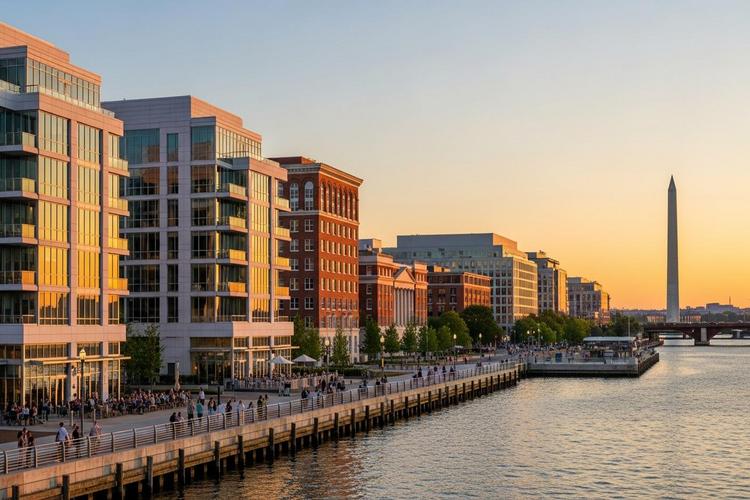
Washington, D.C. has undergone a significant transformation over the last two decades. Once marked by economic uncertainty and public safety concerns, the nation’s capital is now thriving in many ways, thanks to strong urban redevelopment efforts, rising school rankings, and a growing cultural footprint. Whether you’re considering a move to the area or simply researching current trends, understanding the city’s comeback story reveals why so many people are rediscovering the benefits of Washington, D.C. living. This guide answers key questions about D.C.’s resurgence and what it means for families, professionals, and businesses.
What are the key features of Washington, D.C.’s urban and economic resurgence?
Washington, D.C. has seen substantial economic and infrastructure growth over the last 20 years, with particularly strong redevelopment since the early 2000s. According to the U.S. Census Bureau, the city’s population grew from around 572,000 in 2000 to over 670,000 in 2020—an increase of nearly 17%. This growth reflects ongoing public and private investments that have reshaped parts of the city like Navy Yard, NoMa, and The Wharf from industrial or underutilized spaces into vibrant residential and commercial hubs.
Major federal and municipal projects have driven investment in transportation, public spaces, and economic development, attracting both startups and large corporations. The city’s unemployment rate in April 2024 sat at just 4.7% according to the U.S. Bureau of Labor Statistics, compared to over 10% in 2010—stressing a steady economic recovery supported by job opportunities across government, healthcare, and tech sectors.
Housing prices remain above the national average, but wage growth and expanding job opportunities have contributed to upward mobility for many residents. Furthermore, local business scenes—particularly in food, fashion, and creative industries—offer a unique blend of historic roots and modern innovation.
How has public safety improved in Washington, D.C. in recent years?
Public safety has long been a concern in major cities, and D.C. is no exception. However, there have been considerable gains in safety metrics in recent years. According to the FBI Crime Data Explorer, overall violent crime in the District dropped nearly 22% from 2020 to 2023. Significant decreases came from reductions in robbery and aggravated assault categories.
The District’s Metropolitan Police Department has recently expanded community policing programs, invested in surveillance and data-driven patrol planning, and amplified collaboration with local organizations promoting youth engagement and violence intervention. The Mayor’s Office on Public Safety and Justice reports that six out of D.C.’s eight wards saw declines in gun-related violence as of 2023.
Residents and experts point to better police-citizen relationships, neighborhood revitalization, and improved social resources as key reasons behind the improved environment. Community-led efforts, like Pathways and the Office of Neighborhood Safety and Engagement (ONSE), have supported at-risk populations and helped prevent cyclical crime in vulnerable areas.
What are the current education options for families in Washington, D.C.?
Education in Washington, D.C. has made notable improvements, particularly in the public charter and magnet school systems. Niche.com ranks several D.C. public charter schools very highly, including BASIS DC and Washington Latin Public Charter School. Traditional public schools like School Without Walls High School have also received national recognition for academic excellence.
Families can choose from a variety of K–12 education options:
| School Type | Examples | Highlights |
|---|---|---|
| Traditional Public Schools | Wilson High School, School Without Walls | College prep, AP courses, DCPS resources |
| Public Charter Schools | BASIS DC, KIPP DC, DC Prep | High test scores, flexible curriculum models |
| Private Schools | Sidwell Friends, Georgetown Day School | Elite college placement, holistic education |
The District of Columbia also boasts a wide selection of higher education institutions, including Georgetown University, George Washington University, and Howard University. Educational initiatives like the DC Tuition Assistance Grant (DCTAG) help fund in-state tuition rates for city residents at public colleges nationwide, making college more accessible to low- and middle-income families.
What lifestyle, cultural, and entertainment amenities make D.C. attractive today?
Part of D.C.’s comeback story includes a vibrant cultural resurgence. The Smithsonian Institution’s museums, which are free to the public, draw millions each year and bolster tourism and local engagement. Add to that a booming dining scene—spotlighted regularly by the Michelin Guide—and you have a city that appeals not just to politicos, but to food lovers, artists, and young professionals.
Washington, D.C. living also attracts residents who appreciate historic neighborhoods like Capitol Hill and Shaw, while newcomers gravitate toward revitalized areas like the Wharf and H Street Corridor. Music venues like The Anthem, 9:30 Club, and Kennedy Center deliver top-tier performances across genres.
In addition, the city is one of the most walkable in the U.S., according to Walk Score, with world-class public transit provided by the Metro system and bus lines. Parks and green spaces such as Rock Creek Park and the National Mall provide open-air activity for both locals and tourists year-round. Families benefit from seasonal festivals, sports events, and youth programming, while professionals enjoy strong job mobility and networking opportunities in a globally connected capital.
“D.C.’s transformation isn’t just physical—it’s social, economic, and cultural. The city has reinvented itself while maintaining its historical roots.” — Brookings Institution Report, 2023
D.C.’s local government continues to invest in arts initiatives, small business development, and public health strategies that ensure the city remains inclusive and accessible for residents at all income levels. These policy directions continue to raise its profile among people seeking an urban environment with civic engagement and diversity.
If you’re planning a move to the capital and want to explore top-rated movers or services that specialize in Washington DC living, our resources can help you settle into your new home with confidence. With the right planning, relocating to D.C. can be an opportunity to take part in one of the most exciting urban comebacks in the country.
